

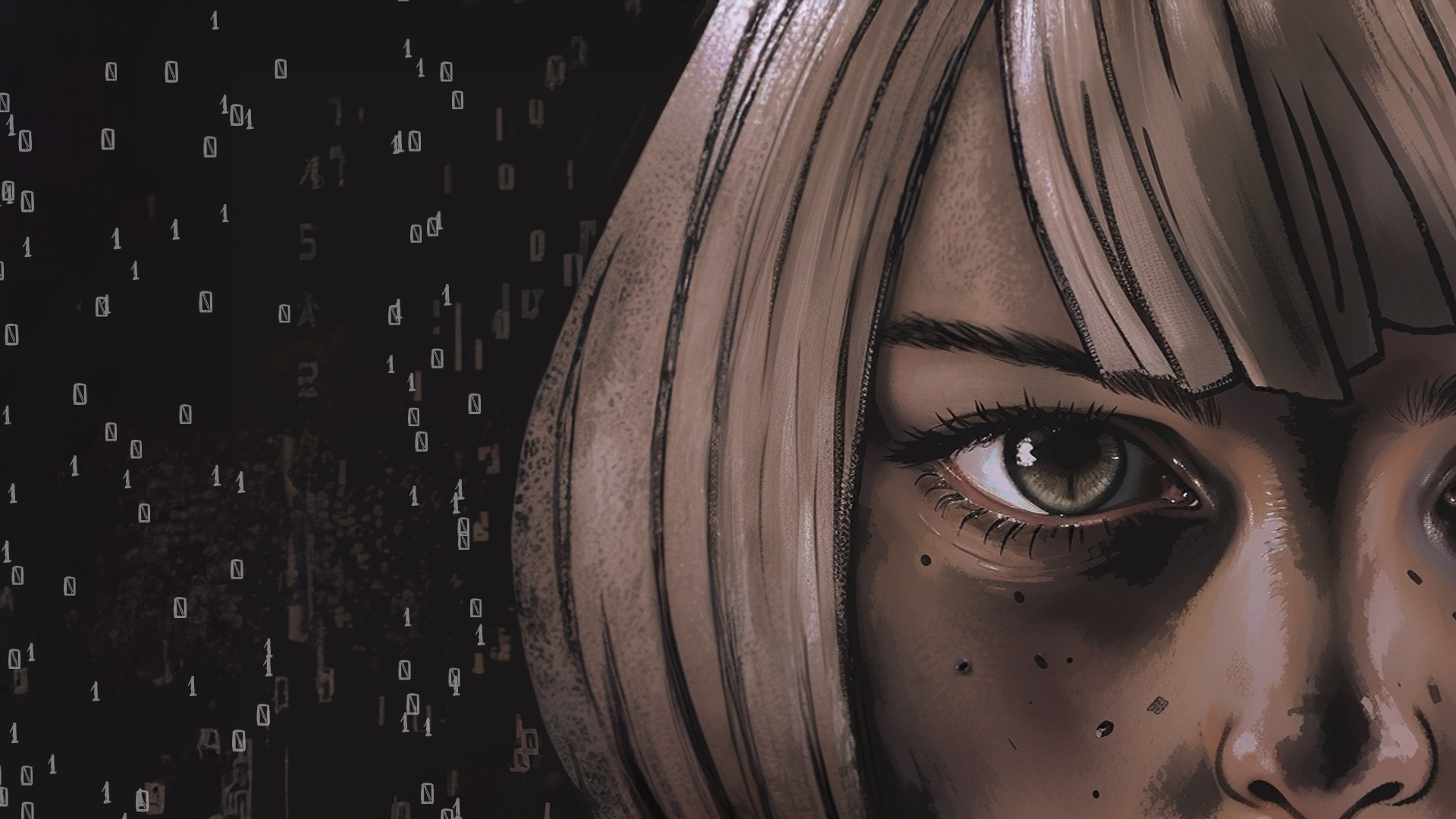
The story of Cyberside started around 2015, in a small apartment in Dnipro, Ukraine. At the time, it was just a rough idea — a short novel about a journey through a digital world, where each domain reflected something from real life: social networks, platforms, services. All the things that had already started reshaping how we live.
It came from two places at once. One was a long-standing obsession with technology; the other was a love for the way sci-fi used to be told — especially from the 80s and 90s. That mix of cyberpunk, early games, strange worlds, and slightly unpolished storytelling. Gibson, Stephenson, Sterling. Films like Labyrinth, Legend, Johnny Mnemonic. Old consoles, arcade machines, all of it.
That first version — what I now think of as the Cyberside Beta — got written and then quietly put away. Work got in the way. Life got in the way. I was preparing to move to the UK, dealing with a lot of things at once, and publishing a book wasn’t realistic at that point. The idea stayed, but it didn’t move.
Later, things shifted. I met up with my friend Bert Jennings in LA, and we decided to finish it together. That changed everything. There’s something about working with someone else that forces momentum. You stop overthinking and just get it done.
We published Cyberside, and it found an audience. Not huge at first, but enough to know it worked. I started working with Kostya Kortashev on the comic side, and things began to open up. There was even a conditional agreement with a UK indie studio to adapt it for film.
Then everything stalled.
Covid hit, and with it went most of the plans — not just for Cyberside, but for a lot of projects. Film stopped. Development slowed. Things that looked like they were about to happen just didn’t.
The years that followed were difficult. I worked on drafts of sequels, but most of them didn’t hold together. I scrapped more than I kept. The comic moved forward, but slowly. It’s taken a long time to get it close to finished.
At some point, I realised the problem wasn’t just execution — it was direction. I didn’t fully understand what the next part of the story needed to be.
That became clearer when I stepped away from work for a while. After around twenty-five years in the industry, I left my role with the idea of retiring. That didn’t last — it turned into more of a sabbatical before I eventually returned — but it gave me space to think.
That’s where Cyberside: Level Zero came from.
Instead of continuing forward, I went back. A prequel. A story before the story. Something that let me revisit the early days of the industry, the decisions, the turning points, and fold them into the narrative. Characters like James Reynolds, Matilda, Fall Water Lake — they all took shape through that process.
I didn’t do it alone. Mike Shilliam helped bring the book into something coherent. Without that, it probably wouldn’t have been finished at all.
The result is a book that feels more important to me than the original. Not just as a story, but as a reflection of how the industry works — and where it can go wrong.
Upcoming Releases
Discover the forthcoming fiction and non-fiction releases by author Aleksey Savchenko, including further installments of his acclaimed The Answer series. Title Type Expected Release Method to my Madness Non-Fiction Summer 2026 Games as Business Non-Fiction Summer 2026 The Answer — Book II Novel Summer 2026| Play | Cover | Release Label |
Track Title Track Authors |
|---|